As owners of Gourmet Nutrition
 , many of you have heard me talk about the reasoning behind lower carbohydrate meals and why nutrient timing is so important in our day to day.
 We can eat carbohydrates at certain times and it will go straight to our hips. Yet, if we eat it at other times, it goes to be used as energy for our brain and our body. So whats the difference?
Exercise in itself does not do much for fat loss. Eating in itself does not directly relate to fat gain. Instead it is the HORMONES that are released by exercise and eating that are ultimately in charge of what happens to our bodies.
Each of these hormones tells our body what to do with energy that we take in and then use, as well as when to release stored energy (i.e. fat) to be used for energy. Below is a quick synopsis of what each hormone does and how it is excreted. Below them, I put together how to use exercise and nutrition to lose fat and gain muscle.
- growth hormone (GH) - increases energy production from stored energy (i.e. carbs & fat), stimulated by exercise and low blood sugar levels
- cortisol - increases energy production from stored energy, decreases protein building, stimulated by intense prolonged exercise
- insulin - increases energy (i.e. protein, fat, carb) uptake into cells, stimulated by increase in blood sugar (after eating) with greater sugar quantities giving a greater insulin response
- glucagon - increases energy production from stored energy; stimulated by low blood sugar, low protein concentration and prolonged exercise
- thyroid hormone T3 & T4 - increases metabolic rate, growth hormone and fat release; stimulated by low T3 concentrations
- testosterone - increases protein/muscle building and sex drive; stimulated by intense exercise
- estrogen - prevents glucose uptake and fat deposit
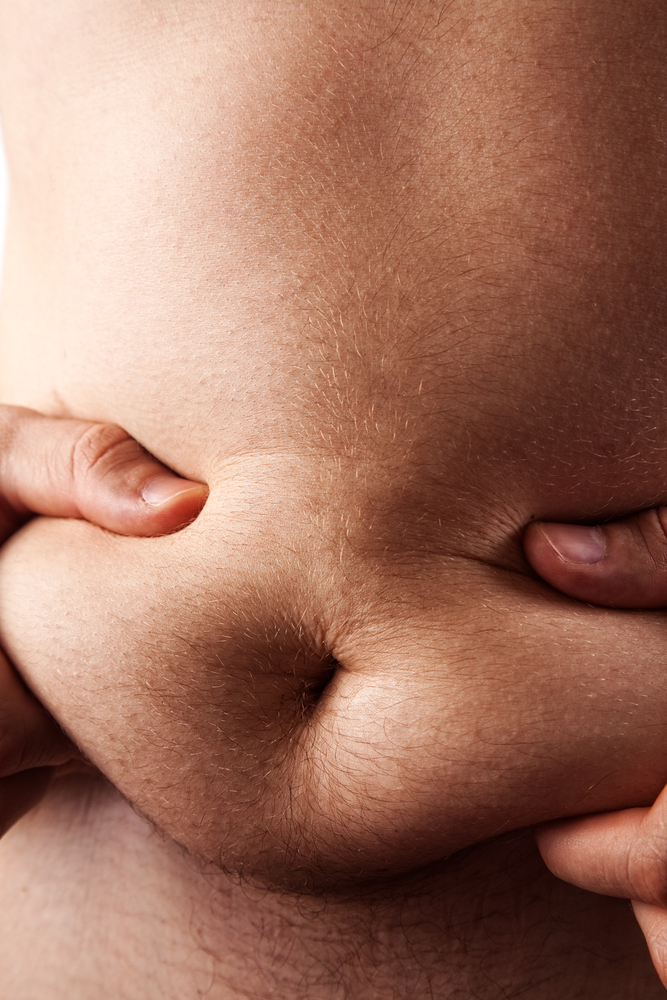 As you see the main goal in our battle on body fat is to get the proper hormones going at the right times. We need to use up our carbohydrates stores so that our body does not convert EXCESS carbs into fat. Therefore we need to make sure we are not eating more than 200 g of carbs on non-exercise days because total carbohydrate storage for the body is right around 300g of carbohydrate (200g in muscle, 100g in liver).
The goal of our eating habits should be to minimize carbohydrate intake and keep carbohydrates to vegetables and fruits. However, we do need carbohydrates to release insulin after exercise so that we can repair the muscle we have broken down during exercise. This is why after exercise is the best time to have high carbohydrate meals such as pasta and whole grain bread. Insulin is released in response to eating carbs and when eaten with protein is a potent muscle builder. But any time other than post-exercise, bread and pasta are basically off limits.
Now remember, we also have to use up our body's carbohydrate stores to guarantee that carbohydrate we eat goes for fuel rather than for fat storage. To do this, we need to really "milk" the muscles of all the stored carbohydrate during exercise by exercising as hard as we can.
Also, when we exercise hard our body releases GH and testosterone which both help to build muscle. In addition GLUCAGON is released during exercise in place of insulin. Looking above, remember that glucagon also stimulates carbohydrate and fat release during exercise to be used for energy. This is just another reason why exercise is necessary for changing the way you look - glucagon is released primarily by prolonged, intense exercise. However, exercise in itself will have a very difficult time burning fat if you don't eat well.

In summary, hormones are the ones steering the fat loss ship. To have an effective fat loss program, you need to be able to manage hormone interaction through exercise and nutrition. Here are the take away's of this blog in bullet form:
- Exercise as hard as you safely can. This increase GH, testosterone, glucagon, and cortisol. The levels of these hormones released are directly related to the intensity of the exercise.
- As is laid out in Gourmet Nutrition, grains and high carbohydrate meals should only be eaten following a workout or first thing in the morning. Other than those two times, carbohydrates should come from fruits, vegetables, beans, nuts.
- Protein needs to be eaten with each meal to minimize insulin release and maximize insulin sensitivity.

